


Views: 0 Author: Site Editor Publish Time: 2026-10-01 Origin: Site


Jade is notoriously unforgiving for artisans and manufacturers alike. Its unique, interlocking crystalline structure—whether you work primarily with Nephrite or Jadeite—makes it highly susceptible to edge chipping, micro-fracturing, and catastrophic undercutting failures. Material waste in jade carving directly impacts your operational margins. Chipping at the final stages of a complex relief carving often results in a total loss of an expensive, carefully sourced piece. Operators often blame themselves when a delicate edge snaps. However, the reality requires a deeper look at the entire process. While operator technique and specific toolpath strategies remain critical, inconsistent spindle rotation or chassis vibration will override even the most conservative feed rates. Preventing chipping requires a holistic approach. You must combine proper material handling, specialized abrasive tooling, and high-rigidity hardware. In this comprehensive guide, you will learn the precise mechanics behind stone fracturing and how to optimize your toolpaths perfectly. We will also explore thermal management strategies and exact hardware requirements to guarantee zero-defect production.
Tooling is abrasive, not cutting: Jade must be ground away using diamond-coated tooling; attempting to "cut" it causes immediate fracturing.
Thermal management is non-negotiable: Continuous flood cooling is required to prevent heat accumulation, which causes thermal shock and micro-cracking.
Vibration is the enemy: The primary mechanical cause of chipping is spindle runout and machine vibration.
Hardware dictates limits: Scaling production without increasing defect rates requires a purpose-built jade engraving machine with a high-mass frame and high-frequency spindle.
We must first differentiate between the two distinct minerals commonly called jade. Nephrite features a dense, interlocking fibrous structure. This unique fibrous arrangement makes nephrite exceptionally tough and highly resistant to shattering. Jadeite possesses a granular crystalline composition. It ranks harder on the Mohs scale but remains significantly more brittle. Both materials completely resist traditional bladed cutting methods. Standard milling cutters will fail instantly.
Understanding the mechanics of a chip helps operators prevent them. Lateral stress occurs the moment a spinning tool engages the stone. This lateral force targets natural cleavage planes hidden inside the material. It heavily exploits microscopic inclusions and tiny air pockets. Applying too much side pressure snaps the crystalline bonds rather than grinding them away. The material flakes off in unpredictable chunks. This flaking destroys intricate details and ruins hours of careful programming.
Implementation reality demands rigorous raw material inspection. Operators must examine every stone block before loading it onto the machine bed. Your machine lacks intuition. It will mercilessly exploit any existing weakness in the stone. A smart operator programs toolpaths carefully around natural flaws. Follow these standard material inspection steps:
Clean the raw stone block thoroughly to remove surface dust.
Use a strong, polarized light source to scan for internal defects.
Mark any visible hairline fractures with a waterproof marker.
Program your roughing toolpaths to avoid applying heavy lateral stress near these marked zones.
What to watch out for: Many beginners assume a clean exterior means a flawless interior. Always verify internal integrity. Even a tiny inclusion can cause a massive chip if the bit strikes it at high velocity. Take the time to map your stone.
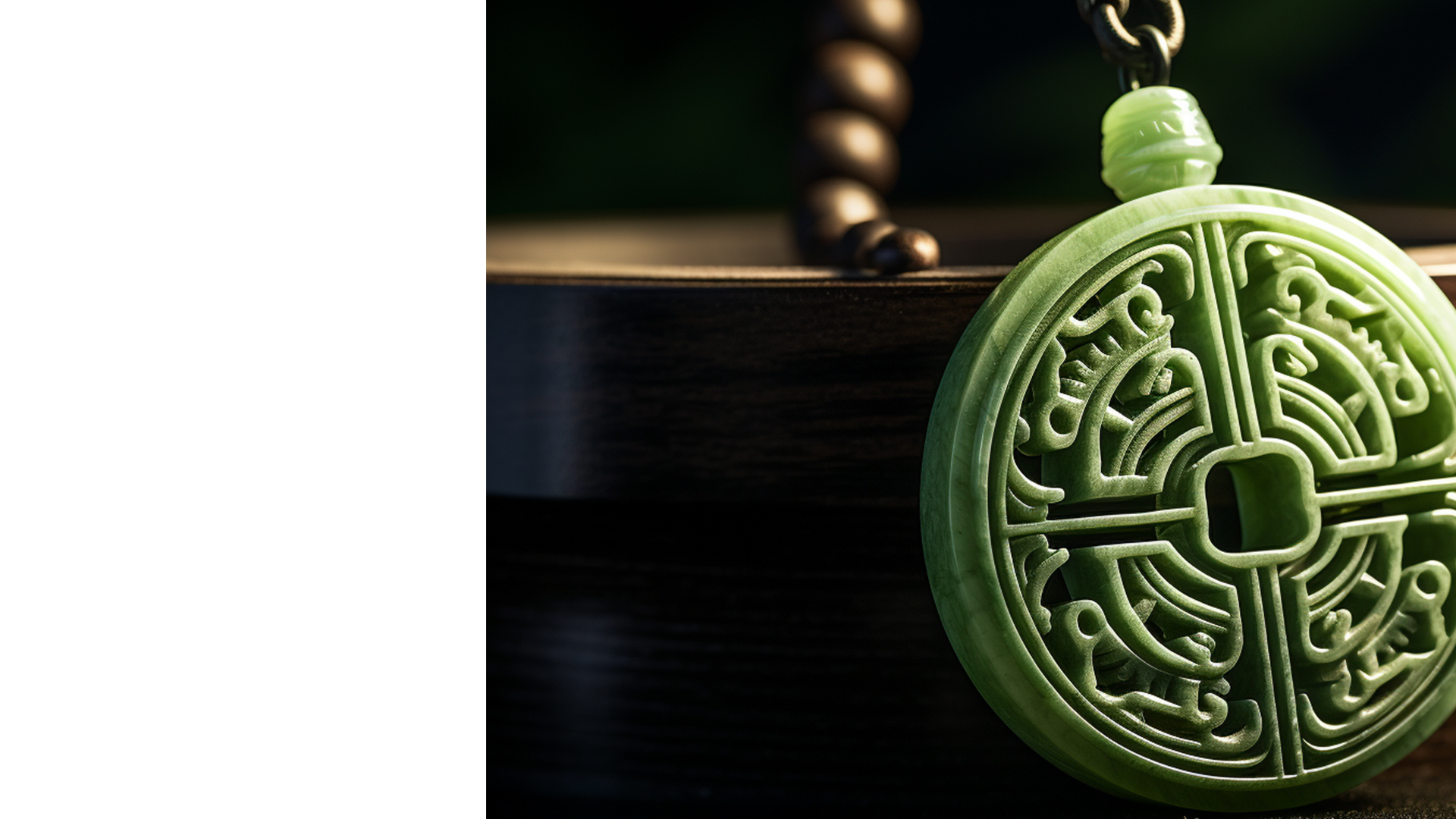
Carving jade requires continuous abrasive grinding. You cannot shear or slice this stone. Sintered diamond burrs heavily outperform electroplated bits for deep carving tasks. Electroplated tools feature only a single outer layer of diamond dust. Once this layer wears off, the bare steel rubs against the stone, causing massive friction and chipping. Sintered bits blend diamond particles throughout the entire metal matrix. They expose fresh, sharp diamonds continuously as they wear down. This ensures consistent abrasive action throughout the entire carving cycle.
You must match your grit size carefully to your intended pass depth. Using the wrong grit guarantees poor results.
Diamond Tooling Grit Recommendations
| Carving Stage | Recommended Grit | Primary Objective |
|---|---|---|
| Roughing | 40 to 80 Grit | Rapid material removal with minimal clogging. |
| Semi-Finishing | 120 to 200 Grit | Smoothing rough steps and defining core geometry. |
| Final Detailing | 400 to 600+ Grit | Eliminating micro-scratches and preparing for polish. |
Feed and speed ratios absolutely dictate your success rate. Maintain high spindle RPM settings at all times. Generally, you want speeds reaching 20,000 to 24,000 RPM. Combine this extreme rotational speed with conservative, slow feed rates. Fast feeds overwhelm the diamond abrasive. Overwhelmed bits push against the stone instead of grinding it smoothly. This pressure forces delicate edges to chip.
Let's discuss a critical implementation risk. Never force your plunge rate. Plunging a bit straight down into hard stone causes maximum stress on both the tool and the material. We highly recommend ramping into the material instead. Use helical interpolation techniques. Helical interpolation eases the spinning bit into the stone gradually in a spiral motion. This method distributes the entry force safely and protects the surface.
Limit your Z-axis step-down depths strictly. Keep vertical passes to tiny fractions of a millimeter. We suggest starting around 0.1mm to 0.2mm per pass. This practice minimizes tool deflection drastically. It reduces material stress and prevents the bit shank from snapping under side loads.
Friction from high-speed grinding generates intense, rapid heat. This localized heat creates a dangerous thermal shock phenomenon. The stone absorbs heat directly at the point of contact. It expands unevenly under these sudden temperature spikes. Uneven expansion causes the interlocking crystalline lattice to tear itself apart. The jade cracks microscopically at first. Eventually, entire edges chip away instantly as the bit passes over the weakened area.
Continuous flood water cooling remains absolutely mandatory for this craft. Mist coolant systems might suffice for softer stones or thin glass panels. Jade demands a constant, heavy stream of liquid coolant. The fluid must absorb heat much faster than the grinding friction generates it. Without flood cooling, your bit will glow red within seconds.
Constant water flow serves a vital dual purpose. It cools the spinning diamond bit effectively. It also vigorously flushes away the abrasive jade slurry. If debris stays trapped in the carving channel, major problems arise. The bit begins recutting the old, crushed slurry. Recutting this paste increases friction exponentially. It accelerates tool wear and dulls the diamonds. Dull tools combined with high friction lead directly to jagged, chipped edges.
Common mistakes include aiming the coolant nozzle incorrectly. The water must hit the exact point of cutting. If the water simply splashes against the spindle collet, the actual tool tip runs dry. Verify your coolant trajectory before starting any long carving program. Ensure your filtration system removes the fine slurry before recirculating the water. Pumping dirty water back onto the stone acts like a sandblaster, ruining delicate polished areas.
Using standard wood routers for hard stone is a guaranteed recipe for failure. Desktop routers built for wood or plastic lack the required structural rigidity. They flex under load. Upgrading to a specialized jade carving machine solves the root causes of mechanical chipping entirely. You must evaluate this hardware across several non-negotiable dimensions.
First, examine the spindle runout precision carefully. Total Indicated Runout (TIR) measures how much the bit wobbles while spinning. This wobble must remain below 0.01mm. Excessive runout creates a violent hammering effect. The bit literally hammers against the stone thousands of times per second instead of grinding it smoothly. This hammering shatters delicate details instantly.
Chassis rigidity remains equally crucial. Look exclusively for cast iron or heavy-duty welded steel beds. Heavy, high-mass frames dampen resonant vibrations effectively. Harmful vibrations must never transfer into the delicate workpiece. Aluminum frames simply vibrate too much for precise stone work.
Next, verify your motion control system. Utilize closed-loop steppers or advanced AC servo motors. Standard open-loop steppers lose steps during hard engagements. Closed-loop systems monitor their exact position continuously. They prevent lost steps completely. They ensure the bit never bites deeper into the jade than you programmed.
Spindle Precision: Runout must stay strictly below 0.01mm to prevent hammering and micro-fracturing.
Frame Rigidity: Cast iron dampens harmful resonant vibrations better than bolted aluminum extrusions.
Motion Control: Closed-loop servos prevent aggressive, unprogrammed bit engagement into the stone.
Spindle Speed: The motor must sustain 24,000 RPM smoothly to maintain maximum abrasive efficiency.
Consider this essential trust and evidence check. A high-end machine cannot magically fix terrible toolpaths. However, perfectly programmed toolpaths will still fail completely on weak hardware. If the machine gantry flexes by even 0.1mm under cutting load, the jade will chip. A rigid jade engraving machine guarantees your tool stays exactly on path, absorbing all reactive forces safely.
Transitioning away from manual rotary hand-pieces offers massive scalability advantages. Manual carving requires immense physical stamina. A dedicated CNC jade carving machine handles grueling multi-pass roughing effortlessly. You achieve highly consistent output without suffering from operator fatigue. The machine works tirelessly, removing bulk material safely while your artisans focus on final creative touches.
Handling true 3D models and complex geometries requires advanced kinematics. Undercutting a piece often causes collisions between the tool shank and the stone. A multi-axis 3D engraving machine solves this problem. It provides continuous tool engagement angles. Constant angle adjustment prevents the bit from catching. It stops tools from snapping on steep overhangs. You can carve entirely around a piece seamlessly.
We must also discuss specific relief carving considerations. When you evaluate a relief carving machine, look for exceptional Z-axis resolution. High resolution handles microscopic stepovers perfectly. You need these tiny, overlapping movements for smooth, chip-free 2.5D landscapes and traditional motifs. Poor resolution creates visible stair-stepping artifacts. These artifacts require heavy manual sanding later, increasing your labor costs unnecessarily.
Equipment Upgrade Evaluation Chart
| Machine Type | Best Application | Key Benefit |
|---|---|---|
| Manual Rotary Hand-piece | Custom one-off detailing | High tactile feedback for the artist. |
| 3-Axis CNC Router | 2.5D landscapes and pendants | Automated multi-pass roughing cycles. |
| Multi-Axis CNC System | Full statues and complex undercuts | Continuous safe tool engagement angles. |
Base your final shortlisting logic on physical hardware traits. Flashy software features look great on paper but rarely prevent chipping. Real-world stone carving demands spindle quality and extreme structural mass. Water-proofing stands as another critical factor. Ensure all electronics near the flood coolant carry high IP ratings. Water damage to unsealed servo drives will halt your production immediately.
Preventing chipping in jade demands profound respect for the material's inherent properties. You must manage its extreme brittleness carefully throughout the entire process. Rely entirely on continuous diamond abrasion instead of traditional cutting. Enforce strict thermal control with flood coolant to avoid heat-induced micro-cracks. Minimize all sources of mechanical vibration by choosing the right heavy-duty hardware.
Assess your current production scrap rate today. Identify exactly when and where fractures occur during your toolpaths. If chipping happens frequently despite conservative feeds and fresh tooling, your hardware is likely failing you. The primary bottleneck is usually insufficient machine rigidity. Evaluate your current setup against industrial-grade machines. Upgrading your equipment significantly reduces material waste and streamlines your entire operation.
A: Generally 20,000 to 24,000 RPM, depending on the bit diameter and feed rate, ensuring the abrasive diamonds have maximum contact time per millimeter of travel.
A: Lasers induce localized thermal shock, which causes micro-fracturing (frosting) on the surface. While useful for surface marking, deep carving requires CNC mechanical abrasion to maintain structural integrity.
A: Often due to dull tooling or localized heat build-up. Ensure a fresh, high-grit diamond bit is used for the final pass, and verify coolant flow is hitting the precise point of cutting.
A: Avoid basic clamps that allow the center of the stone to flex. Use full-surface adhesives (like specialized carving wax or cyanoacrylate on a sacrificial spoilboard) combined with a rigid machine bed.


