


Views: 0 Author: Site Editor Publish Time: 2026-10-15 Origin: Site


Stone engraving introduces a severe dual threat to any fabrication shop. Airborne silica dust presents massive health hazards and strict compliance risks. Meanwhile, wet stone slurry creates a corrosive, abrasive byproduct. These hazards can destroy equipment rapidly. They also jeopardize worker safety if left unmanaged. Many entry-level setups rely on rudimentary, do-it-yourself workarounds. Operators often attach temporary shop vacuums or cheap water hoses. However, scaling a production shop demands robust, integrated solutions. You cannot sustain high-volume output using temporary fixes.
Choosing the right stone engraving machine requires a fundamental evaluation. You must assess how the equipment actively handles material removal. Facilities must carefully choose between dry filtration systems and wet circulation setups. Both approaches require specific infrastructure to protect operators and preserve spindle longevity. This guide breaks down exactly how to manage dust and slurry effectively. You will learn the critical features to look for in modern equipment. We will also explore how to maintain rigorous safety compliance while maximizing your machine's mechanical lifespan.
Airborne silica dust requires HEPA-rated extraction and physical enclosures, not just standard shop vacuums.
Wet processing eliminates airborne dust but introduces slurry management challenges, requiring closed-loop filtration to prevent drain blockages and machine rust.
Selecting a CNC stone carving machine dictates your facility requirements—dry systems need high-CFM airflow, while wet systems require trenching, water recycling, and rust-resistant linear guides.
Ignoring proper extraction creates immediate operational bottlenecks across your facility. Airborne particulates inevitably settle on every exposed surface. Wet mud accumulates in the machine bed, drains, and surrounding floors. These byproducts are not just messy annoyances. They actively destroy your hardware and compromise your workforce.
Stone dust is incredibly abrasive. It acts exactly like fine sandpaper on moving components. When these microscopic particles bypass protective covers, they mix with the machine's lubricating greases. This combination creates a highly destructive grinding paste. This paste continuously attacks the linear rails and ball screws of a 3-axis engraving machine. Over time, this intense friction degrades the mechanical tolerances. Your spindle will struggle to maintain precision during detailed carving. Premature mechanical failure becomes inevitable, resulting in costly downtime.
Health and compliance present even larger existential risks to your business. Respirable crystalline silica is highly dangerous to human lungs. Workers inhaling these microscopic particles face severe respiratory conditions, including silicosis. The Occupational Safety and Health Administration (OSHA) heavily regulates silica exposure in industrial settings. Their standards require strict permissible exposure limits and mandated air quality monitoring. Non-compliance results in massive financial fines. It also creates fundamentally unsafe working conditions that harm employee retention.
You must define clear success criteria for your shop floor. A highly successful setup achieves the following standards:
Minimal Manual Cleanup: Operators spend time running jobs, not sweeping floors or scraping mud.
Compliant Air Quality: The facility easily passes OSHA silica dust inspections without temporary workarounds.
Continuous Operation: The machine runs long cycles without spindle overheating or mechanical rail binding.
Achieving this operational baseline requires intentional facility planning and the right equipment features.
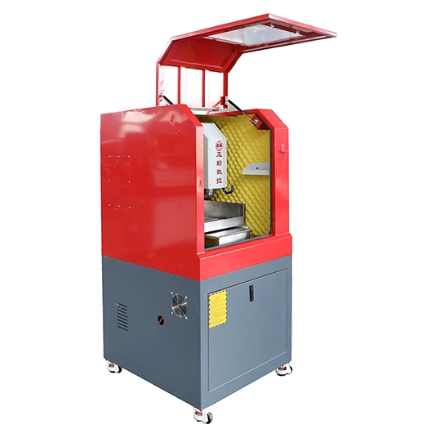
You must evaluate how your shop fundamentally approaches material removal. The choice dictates your entire workflow. It also determines your daily maintenance routines and facility layout. We categorize these removal methods into dry and wet processing. Each carries distinct advantages and operational burdens.
Dry processing relies entirely on high-velocity airflow and physical containment. This method extracts dust directly from the cutting zone before it can disperse.
Best for: This approach suits laser engraving on slate or granite. It works exceptionally well for light surface etching. Facilities lacking dedicated plumbing access often prefer this method to avoid water complications.
Pros: Dry setups offer a much easier initial installation. You avoid complex plumbing, water pumps, and drainage issues. The finished stone piece requires minimal drying time before shipping.
Cons: Dry engraving demands aggressive, high-CFM (cubic feet per minute) dust collection. You must monitor your filters constantly to ensure peak performance. Micro-dust can easily escape into the room if the suction drops even slightly.
Wet processing floods the cutting zone with a continuous stream of coolant. This physical barrier prevents dust from ever becoming airborne.
Best for: This method is essential for deep, aggressive routing. A dedicated relief carving machine usually relies on wet processing. It excels at heavy, continuous material removal on thick marble or granite slabs.
Pros: Water completely neutralizes airborne silica dust at the source. It also dramatically cools the diamond router bits, exponentially extending tool life. Cuts often appear smoother due to the flushing action.
Cons: It introduces highly difficult slurry management challenges. You must implement robust water reclamation systems. Handling, drying, and disposing of heavy, wet waste requires significant manual effort and dedicated space.
Running a dry setup demands highly specific hardware components. You cannot rely on standard woodworking vacuums or thin plastic guards. Stone dust will quickly destroy inadequate filtration systems. Here is exactly what you must inspect when evaluating dry-running equipment.
First, examine the spindle shrouds and dust boots. These components sit directly over the cutting tool during operation. You need heavy-duty, bristle-lined dust boots. They must maintain a tight physical seal against the uneven stone surface. This seal concentrates the vacuum suction right at the cutting bit. If the bristles are too soft or too short, they will deform under pressure. The suction will leak immediately, allowing hazardous dust to escape into the wider room.
Next, carefully consider the machine enclosure design. Full-cabinet enclosures are critical for processing stone in shared workspaces. An open-bed machine allows ambient particulate to drift freely across your shop. A fully enclosed, rigid chassis traps this dust inside a tightly controlled environment. The main extractor then pulls the contaminated air out safely and predictably.
Finally, strictly scrutinize the filtration specifications. You require industrial dust collectors equipped with automated self-cleaning mechanisms. Look specifically for pulse-jet cleaning systems. These systems use targeted blasts of compressed air to knock dust off the filters automatically. You also absolutely need HEPA-rated filter media. Standard baghouse filters contain microscopic gaps in their weaving. They easily allow respirable silica to pass through and re-enter your breathing workspace.
Review the comparison of common filter types used in fabrication shops below.
Filtration Media Comparison for Stone Dust
| Filter Type | Capture Efficiency | Maintenance Requirement | Suitability for Stone Engraving |
|---|---|---|---|
| Standard Cloth Bag | Low (Fails on dangerous micro-dust) | High (Requires frequent manual shaking) | Strictly Not Recommended |
| Spunbond Polyester | Medium (Captures larger, heavier particles) | Moderate (Can be washed periodically) | Acceptable for coarse, basic work |
| PTFE Coated HEPA | High (Captures 99.97% of 0.3 microns) | Low (When paired with pulse-jet systems) | Highly Recommended for Compliance |
Wet processing beautifully eliminates airborne dust but generates thick, abrasive mud. This slurry requires extremely careful handling. If you ignore it, the mud will harden like concrete across your equipment and floors.
Start by evaluating the water tables and sloped pans on the machine itself. The machine bed must feature steep-angled metal catch pans. A flat bed simply allows the slurry to pool and stagnate. Steep angles rely on gravity to direct the muddy water toward a central, oversized collection point. This continuous downward flow prevents heavy sludge from building up directly under your workpiece.
You must establish proper drainage protocols immediately. Never dump raw stone slurry down standard facility drains. The heavy stone particles will quickly settle in the municipal pipes. This creates severe, concrete-like blockages that require expensive, invasive plumbing repairs. Instead, implement a dedicated closed-loop filtration setup.
Closed-loop systems typically use series of settling tanks and weir baffles. The dirty water enters the first, largest tank chamber. Heavy stone particles sink rapidly to the bottom. The slightly cleaner water then spills over a dividing weir into the next chamber. This gravitational separation process repeats multiple times. Eventually, the water becomes clean enough to safely pump back to the spindle. This setup recycles your water volume and traps the abrasive waste in manageable zones.
Protecting the machine components from this wet environment is equally vital. Slurry aggressively splashes everywhere during heavy routing cycles. You must verify that the equipment features redundant protective bellows covers. These heavy-duty accordion covers shield all linear guides, rails, and ball screws from moisture. Furthermore, ensure all electronic sensors and limit switches feature high waterproof ratings (IP65 or above). This strict waterproofing prevents slurry ingress from permanently short-circuiting the machine.
Buying a machine represents only the first step in your production journey. You must address the physical facility requirements well before taking delivery. Many shops completely underestimate the infrastructure needed for continuous, safe production.
Consider your available floor space and structural infrastructure carefully. Dry extraction systems demand significant, dedicated room. You must allocate floor space for bulky air extractors, ductwork, and collection bins. Wet systems require entirely different infrastructure investments. You might need to dig permanent floor trenches to route waste water effectively. You will also need dedicated floor space for large external settling tanks or mechanical filter presses.
You should clearly understand the daily routine maintenance workflows. Your team must execute these tasks flawlessly. Follow these guidelines for ongoing management:
Filter Inspections: Dry systems require regular HEPA filter checks. You must schedule weekly downtime to inspect and swap these filters before they blind over.
Slurry Extraction: Wet systems eliminate air filter replacements but introduce heavy waste disposal tasks. You must physically shovel heavy, wet mud out of settling tanks weekly.
Waste Handling: Alternatively, you will manage heavy slurry bags or compressed mud cakes from a filter press. Both methods require dedicated, strenuous labor hours.
We strongly recommend rigorously auditing your facility before purchasing a CNC stone carving machine. Map out your shop's overall ventilation capacity. Inspect your plumbing access and evaluate your floor drainage slopes. Evaluate your daily maintenance bandwidth honestly. Does your team actually have the time to clean settling tanks? Can your electrical panel support a massive 10-horsepower dust collector? Answering these practical questions ensures you select a system you can actually support.
Dust and slurry control are never optional accessories for your shop. They serve as core, non-negotiable components of the professional stone engraving process. Failing to integrate these systems compromises your worker safety and ruins highly expensive machinery. Proper extraction and smart fluid management ensure long-term operational profitability.
Before making a final equipment decision, take immediate action on your shop floor. Follow these next steps to prepare your facility:
Measure your available footprint to determine what extraction or settling systems will actually fit.
Assess your anticipated material volume, as deep relief work dictates different solutions than light surface etching.
Request specific dust and water management diagrams from equipment manufacturers during your consultation.
Reviewing these schematics early will help you prepare your facility for a seamless, safe, and fully compliant installation.
A: No. Wood dust collectors pose severe risks when used for stone. Mixing fine stone particulate with leftover wood dust creates a significant fire hazard. Furthermore, standard impeller fans lack the durability for abrasive materials. Fine stone dust acts like sand. It will quickly degrade standard impellers, destroy the bearings, and clog filters not rated for micro-particulates.
A: You must separate the water from the solid waste. Use settling bags or a mechanical filter press to dehydrate the mud. Once the slurry turns into a dry cake, it becomes much easier to handle. You must then dispose of these dehydrated blocks according to local municipal waste regulations, as some regions strictly monitor industrial stone waste.
A: Standard steel components will rust quickly in a wet environment. However, a properly designed stone CNC uses rust-resistant materials. Manufacturers utilize stainless steel, anodized aluminum, and specialized epoxy coatings. They also install watertight bellows covers over linear guides to prevent moisture exposure. Always verify the machine utilizes these anti-corrosion features before purchasing.
A: An enclosure greatly enhances safety by trapping airborne silica dust and containing water splashes. However, full enclosures can restrict your loading options. If you frequently load massive, heavy stone slabs using overhead cranes or large forklifts, an open-bed machine might be necessary. You must balance your material handling needs against the massive dust-containment benefits of an enclosure.


