


Views: 0 Author: Site Editor Publish Time: 2026-09-03 Origin: Site


Purchasing industrial equipment carries significant business risk, especially when physical specifications fall short of production reality. You might invest in a carving system only to discover a frustrating truth. Its Z-axis travel, focal length, or spindle power simply cannot support your required project depth. This mismatch leads to wasted capital, stalled production timelines, and severely compromised product quality.
In relief carving, true depth goes beyond the physical clearance of your equipment. It is heavily constrained by material density, tool geometry, and processing time. Pushing a tool beyond these hidden boundaries often causes excessive wear. It can also lead to catastrophic material failure. Understanding these variables prevents costly manufacturing errors.
We created this evidence-based evaluation framework to help you align equipment specifications with your actual output requirements. You will learn how mechanical and thermal technologies differ in maximum penetration. We also explore material-specific constraints and critical machine metrics. By understanding these dynamics, you can confidently select a system capable of delivering your exact required depth.
CNC Routers (Mechanical): Maximum depth is dictated by Z-axis gantry height and bit length; typically ranges from 2 to 6 inches (50–150mm) depending on the machine class.
Laser Engravers (Thermal): Depth is limited by the lens's depth of field (focal length). Practical 3D relief depth maxes out at 0.5 to 1 inch (12–25mm), requiring multiple passes.
Material Constraints: Harder materials exponentially reduce practical carving depths per pass to avoid tool breakage or extreme heat buildup.
The Golden Rule: Deep relief carving is a trade-off. Maximum depth directly sacrifices processing speed and increases tooling wear.
Choosing the right base technology is the most critical factor in determining your absolute depth ceiling. Mechanical systems and thermal systems operate on entirely different physics. You must match the mechanism to your production goals.
Mechanical CNC systems physically remove material via a rotating end mill or V-bit. The spindle lowers the spinning tool into the substrate. It shears away chips layer by layer. Depth limits here are constrained by two primary physical factors. First is the Z-travel, or gantry clearance. Second is the length of the cutting flute on your bit. These systems are highly capable of achieving multi-inch depths.
However, extreme depth introduces significant mechanical risk. Long bits suffer from tool deflection. The lateral forces of carving cause the bit shaft to bend slightly. This vibration degrades surface finish and often snaps fragile bits. You must reduce cutting speeds significantly to prevent this chatter.
Thermal systems vaporize material layer-by-layer. The software reads grayscale depth maps to adjust power dynamically. Darker areas receive more energy, burning deeper into the substrate.
Laser depth limits are constrained by the focal point. Lenses focus laser beams into an hourglass shape. The beam converges at a microscopic point of maximum power and then diverges. As the laser burns deeper into a thick material, the beam diverges. It creates a V-shaped trench and rapidly loses cutting power. Because of this divergence, the maximum practical depth rarely exceeds 1 inch (25mm) without stopping to perform manual lens adjustments.
| Technology Type | Mechanism | Typical Max Depth | Primary Constraint |
|---|---|---|---|
| CNC Router | Mechanical shear | 2 - 6 inches | Gantry clearance & bit length |
| Laser Engraver | Thermal ablation | 0.5 - 1 inch | Focal length divergence |
Depth capabilities shift dramatically when you change substrates. A machine easily conquering pine might fail instantly on marble. Understanding material resistance is vital for planning your carving jobs.
Soft materials offer the highest depth ceilings. You can easily achieve 2 to 4 inches of depth using a standard CNC setup. Long-reach tapered bits slice through resins and hardwoods efficiently. Step-downs remain relatively large, keeping processing times reasonable.
Lasers perform decently on wood but face strict thermal limits. You can typically reach 10 to 15mm of depth. Pushing past this point causes excessive charring. Trapped smoke and intense heat degrade the relief quality. In worst-case scenarios, deep laser carving ignites the wooden substrate.
Carving architectural bas-relief or stone monuments requires immense rigidity. You need a dedicated stone engraving machine equipped with a water-cooled spindle. Dry cutting stone destroys tooling instantly. Sintered diamond bits must be flushed continuously with coolant.
Practical depth limits for stone range from 0.5 to 2 inches (12–50mm). Plunging deeper exponentially increases the risk of bit snapping. The machine frame must absorb massive lateral forces. Lightweight aluminum frames will flex, ruining the carving and breaking the tool.
Gemstones present a unique manufacturing challenge. They are extremely hard but highly brittle. Processing them safely requires a specialized CNC jade carving machine. These units are often fully enclosed to manage continuous liquid coolant floods.
Depth in jade carving rarely resembles wood carving. Micro-reliefs usually span just 2mm to 15mm deep. Extreme precision is prioritized over gross depth. Aggressive deep passes cause micro-fracturing inside the gemstone. This ruins the optical clarity and structural integrity of the piece.
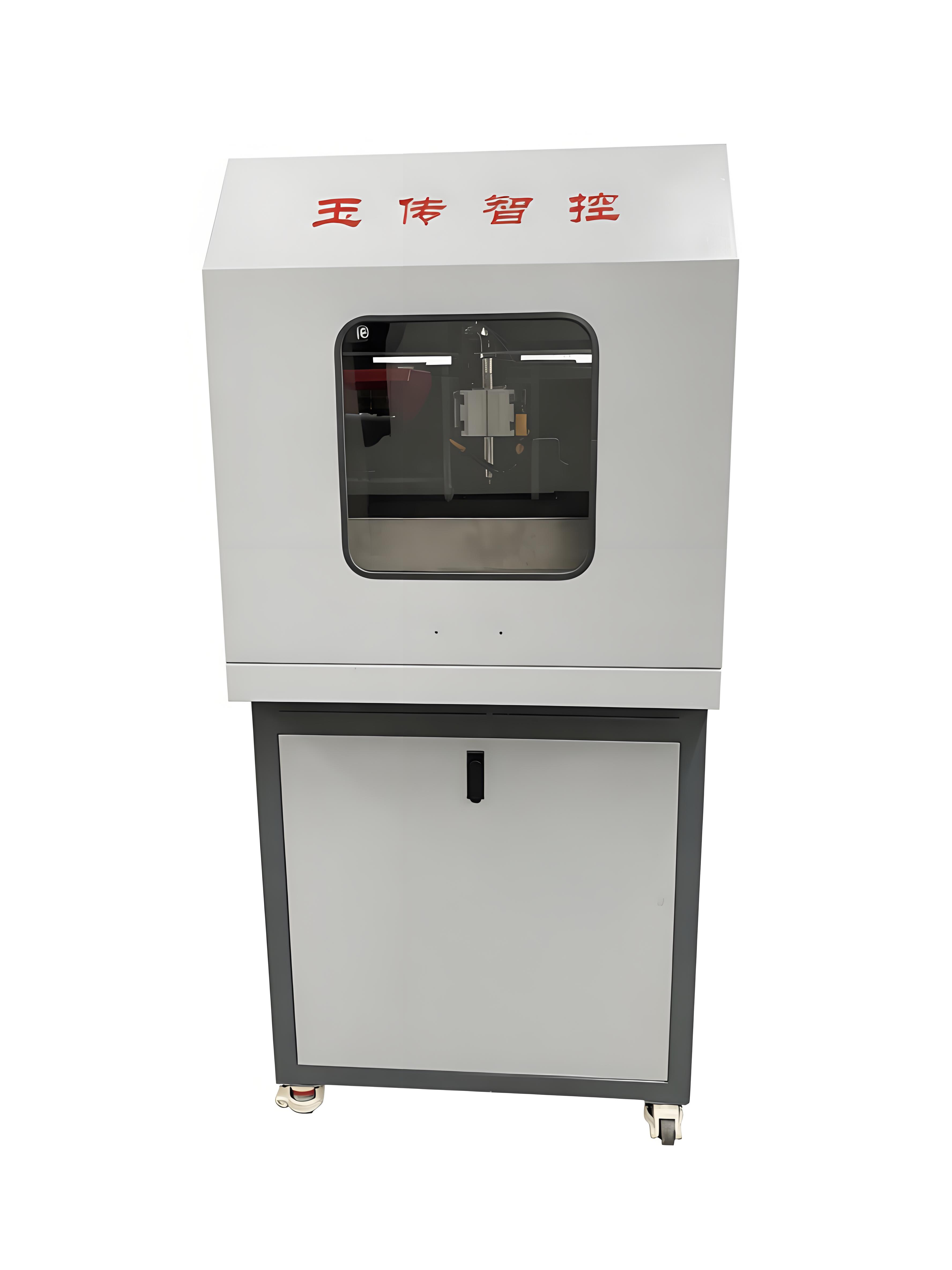
Evaluating machine specs requires looking past marketing claims. You must understand how physical dimensions and power ratings interact to determine your true working envelope.
Buyers frequently confuse Z-axis travel with maximum cutting depth. They are entirely different metrics. Your gantry clearance must accommodate the material thickness plus the entire length of the cutting tool.
Consider a machine featuring a 4-inch gantry clearance. If you mount a 2-inch block of wood to the spoilboard, you only have 2 inches of vertical space remaining. You cannot use a 3-inch cutting bit. The spindle will crash into the material before the carving even begins. Always calculate your required clearance by adding maximum material thickness to maximum tool length.
Ignoring the thickness of the spoiler board or vacuum table.
Forgetting to account for clamping hardware height.
Assuming a 6-inch bit can plunge 6 inches into the material safely.
Deep carving demands robust spindles. Higher wattage (2.2kW or greater) prevents stalling during aggressive deep plunging. Weak spindles bog down when buried deep inside dense materials. This lost RPM leads to broken bits and ruined workpieces.
Collet size dictates the maximum shank diameter your spindle can hold. An ER11 collet maxes out at a 1/4-inch shank. Long-reach bits require thicker shanks to prevent flexing. An ER20 or ER25 collet accommodates 1/2-inch shanks. This allows you to run much longer bits safely without snap risks.
If you prefer thermal carving, your lens choice dictates your depth. Lenses are categorized by their focal length. A 2-inch lens focuses the beam tightly. It offers incredible micro-detail but a very short depth of field. It quickly loses power as it burns downward.
A 4-inch lens provides a longer depth of field. The beam stays focused deeper into the material cavity. It allows for deeper engraving per setup. However, this longer focal length sacrifices fine detail spot size. The laser dot becomes wider, slightly blurring microscopic relief textures.
Deep relief carving never happens in a vacuum. Every millimeter of added depth exacts a toll on other production variables. You must balance these trade-offs to maintain a profitable workflow.
Deep reliefs require multiple step-downs on mechanical machines. A CNC router cannot carve a 3-inch relief in one pass. It might require thirty separate passes, stepping down 0.1 inches at a time. Lasers require hundreds of passes to vaporize deep cavities.
This reality heavily impacts return on investment. A shallow 0.2-inch relief might take one hour to complete. A 2-inch deep relief on the same design could take ten hours. You must calculate whether the added visual depth justifies the massive increase in machine time.
Physics restricts verticality in deep carvings. You cannot carve 90-degree vertical walls three inches deep using standard methods.
CNC limitations: Tapered ball nose bits are mandatory for deep 3D reliefs. The taper strengthens the long shaft. It prevents the smooth upper shank from rubbing against the freshly carved walls. Consequently, all deep vertical walls will inherently feature a slight taper matching the bit geometry.
Laser limitations: V-shaped beam profiles naturally taper deep holes. As the beam burns downward, it loses energy at the outer edges. This makes perfectly vertical, deep laser walls physically impossible.
Pushing a machine past its optimal depth invites disaster. Lasers trap heat inside deep cavities. This trapped heat scorches adjacent details and ruins wood grain aesthetics. Mechanical systems face immense lateral resistance when buried deep. This resistance overheats stepper motors and strains drive belts. Transparently assessing these limits ensures you do not destroy your equipment chasing impossible depths.
| Production Goal | Impact on Speed | Impact on Resolution | Required Adjustments |
|---|---|---|---|
| Maximum Depth | Severely decreases | Slightly decreases (requires wider tapers) | Multiple step-downs, thicker bit shanks |
| Maximum Speed | N/A | Significantly decreases (larger stepovers) | Shallow depths, aggressive feed rates |
| Maximum Detail | Moderately decreases | N/A | Micro-bits, minimal step-downs, slow feeds |
Selecting the right equipment requires aligning your specific business applications with the correct technological platform. Avoid buying overkill systems, but never under-spec your core requirements.
Your daily product output should dictate your purchase entirely. If you plan on producing thick wooden signs, architectural moldings, or large furniture panels, prioritize mechanical rigidity. A heavy-duty 3-axis engraving machine offers the robust gantry clearance and spindle power required for these bulky items.
Conversely, if your business focuses on high-detail coins, intricate pendants, or small decorative plaques, gross depth is less important. You need extreme precision over short Z-travels. A fiber laser or a highly precise relief carving machine engineered for micro-tooling will serve you best.
Hardware is useless without capable slicing instructions. Deep relief carving requires sophisticated CAM software capable of generating complex 3D toolpaths. Ensure your machine controller plays well with industry-standard software suites.
Programs like VCarve and ArtCAM handle 3D mechanical step-downs flawlessly. They calculate tapered bit geometries to prevent crashes. For thermal systems, ensure compatibility with LightBurn. It handles 3D grayscale slicing efficiently. A closed-ecosystem proprietary software often limits your ability to tweak advanced depth parameters. Always verify open compatibility before finalizing your purchase.
Understanding the physics of depth is essential for executing profitable carving operations. While CNC routers dominate raw dimensional depth, they require massive rigidity and careful step-down management. Lasers offer unmatched micro-detail at shallower depths, but thermal limits restrict their absolute penetration.
When selecting your equipment, prioritize structural rigidity and gantry clearance over flashy wattage metrics. A rigid frame ensures your machine can handle the physical stress of deep plunging without ruining the workpiece. Always measure your maximum expected material thickness against the physical Z-axis travel.
Before finalizing any purchase, contact the manufacturer directly. Request a sample carve on your specific material at your required target depth. This simple verification step eliminates guesswork and guarantees your new machine will perform exactly as expected.
A: Yes, but with strict limits. By using grayscale files and multiple passes, lasers can achieve 3D relief. However, they typically max out at 10-15mm before the beam diverges and loses focus. Pushing deeper requires manual Z-axis adjustments to refocus the lens.
A: A tapered ball-nose end mill. The taper provides vital strength to the extended shaft, preventing it from snapping under lateral pressure. Meanwhile, the ball nose geometry allows the tool to cut smooth, high-resolution 3D curves along the relief surface.
A: Plunging too deep in a single pass causes excessive lateral load on the spindle. This physical resistance exceeds the holding torque of your stepper motors, causing them to skip. Always use appropriate step-down limits in your CAM software to prevent motor stalls.


