


Views: 0 Author: Site Editor Publish Time: 2026-01-20 Origin: Site


Stone cutting machines are essential tools in the construction, architecture, and stone industry. They allow for precise and efficient cutting of various stones, such as marble, granite, and limestone. However, like any machinery, stone cutting machines can encounter issues that may disrupt their operation. Whether you're working with a bridge saw, a water jet cutter, or a CNC stone cutting machine, understanding how to troubleshoot common problems is vital to maintaining the longevity of your equipment and ensuring optimal performance.
In this guide, we will walk you through the most common issues that arise with stone cutting machines, how to identify them, and effective solutions to get your machine running smoothly again. We will also provide practical maintenance tips to prevent these problems from occurring in the first place. By following these steps, you can minimize downtime and maximize the efficiency of your stone cutting operations. Additionally, if you are looking for high-quality stone cutting machines or seeking professional advice on machine maintenance, Anhui Yuhan Numerical Control Technology Co., Ltd. is a trusted partner that can provide the support you need.
One of the most common issues faced by users of stone cutting machines is poor cutting quality. This issue can manifest in a variety of ways, including uneven cuts, rough edges, or imprecise measurements. These imperfections not only affect the aesthetic appeal of the cut stone but can also compromise the integrity of the finished product, particularly in industries where precision is critical. Poor cutting quality can often be traced back to several potential causes, ranging from machine malfunctions to improper settings or handling of materials.
Possible Causes:
Blade Issues: One of the most frequent causes of poor cutting quality is problems with the cutting blade. If the blade is dull, worn out, or improperly installed, it will struggle to make clean, precise cuts. A dull blade not only fails to cut effectively but can also cause chipping, cracking, or uneven edges, which negatively impacts the overall quality of the cut.
Incorrect Speed or Feed Settings: Another significant cause of poor cuts is improper machine settings. If the cutting speed or feed rate is not properly calibrated for the material being cut, the machine’s performance can be compromised. Too fast a feed rate can lead to jagged cuts, while a slow speed may cause unnecessary wear on the blade or generate excessive heat, leading to uneven cuts.
Alignment Problems: Misalignment of the machine’s parts, such as the blade, workpiece, or support structures, can lead to crooked or imprecise cuts. Even a slight misalignment can cause significant inaccuracies in the final cut, especially when working with hard, dense stones.
Solutions:
Replace the Blade: If the blade is dull or damaged, replace it with a new one. Make sure the replacement blade is specifically designed for the type of stone you're cutting, such as granite, marble, or limestone. Regular blade maintenance and replacement will ensure smoother, more accurate cuts.
Adjust Settings: Review and adjust the cutting speed and feed rate according to the manufacturer's specifications. Always ensure that these settings are tailored to the specific type of material you're working with. For example, cutting harder stones like granite requires slower speeds compared to softer materials.
Check Alignment: Regularly check the alignment of the machine’s components, including the blade, workpiece, and any support structures. Ensure everything is securely fastened and properly aligned before starting the cutting process. This helps prevent misaligned cuts and ensures a more accurate and smooth finish.
By addressing these issues and following the recommended solutions, you can significantly improve the cutting quality of your stone cutting machine, ensuring a more efficient and effective operation.
Overheating is a common problem that can occur when using stone cutting machines for extended periods, especially when cutting dense materials like granite. Overheating can cause the machine to malfunction, reduce its lifespan, and potentially damage internal components.
Possible Causes:
Inadequate Cooling: The cutting process generates a lot of heat, and without proper cooling, the machine can overheat. Water-cooled systems or cooling sprays are necessary to keep the temperature under control.
Overuse: Running the machine for too long without breaks can cause it to overheat. Cutting dense materials, such as granite, generates more heat, so the machine should be given time to cool down periodically.
Solutions:
Ensure Adequate Cooling: If your machine uses a water-cooled system, make sure that the water supply is sufficient and clean. If your machine uses a cooling spray, ensure that it is functioning correctly.
Take Breaks: Avoid continuous operation. If you’re working on a large cutting job, allow the machine to cool down periodically to prevent overheating.
Check for Blockages: Ensure that the cooling system is not blocked or clogged. Clean any filters and replace old cooling fluids as needed.
Another common issue with stone cutting machines is inconsistent cutting speed. This can cause uneven cuts and inefficiency during the cutting process.
Possible Causes:
Worn-out Motors or Drives: If the motor or drive system is worn out or malfunctioning, the machine may not be able to maintain a consistent cutting speed.
Electrical Problems: Issues with the power supply or electrical components can cause fluctuations in the machine's performance, leading to inconsistent cutting speed.
Solutions:
Inspect the Motor and Drive System: Regularly check the motor and drive components for wear and tear. If necessary, replace any worn-out parts to restore the machine's cutting speed.
Check Electrical Connections: Inspect the electrical components, including the power supply and wiring. Make sure all connections are secure and free from corrosion.
Excessive vibration and noise are signs that something is wrong with the stone cutting machine. While some noise and vibration are normal, excessive amounts can indicate a deeper issue that could affect performance and precision.
Possible Causes:
Loose Parts: Loose components, such as bolts, screws, or parts of the cutting mechanism, can cause excessive vibration and noise.
Imbalanced Blade or Cutting Head: An imbalanced blade or cutting head can cause the machine to vibrate during operation, leading to noisy operation and poor cutting results.
Solutions:
Tighten Loose Parts: Regularly check all components of the machine for loose parts and tighten them to prevent excessive vibration.
Balance the Blade: If the blade or cutting head is imbalanced, it can cause the machine to vibrate. Check for any damage or warping and replace any parts that are out of balance.
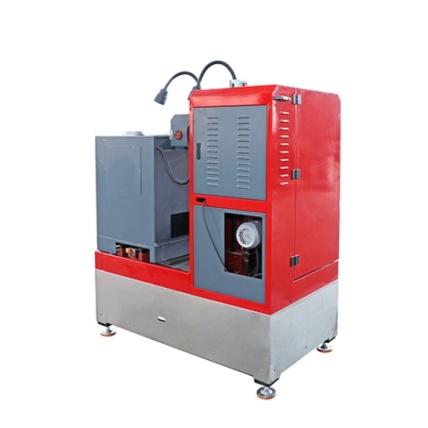
Sometimes, a stone cutting machine can jam or stick during the cutting process. This can halt production and require significant effort to fix.
Possible Causes:
Dirty or Clogged Mechanisms: Stone dust and debris can accumulate in the machine's moving parts, causing them to jam or become less efficient.
Incorrect Material Handling: If the material is not properly secured or aligned, it can cause the machine to get stuck during the cutting process.
Solutions:
Clean the Machine Regularly: Regularly clean the cutting machine to remove dust, debris, and stone particles. Use air compressors or vacuum systems to clear dust from hard-to-reach areas.
Proper Material Handling: Ensure that the stone is properly secured and aligned before starting the cutting process. Use clamps or fixtures to hold the material in place.
Stone cutting machines, particularly those used in dry cutting, can produce excessive dust, which is not only harmful to the machine but also to the operator's health.
Possible Causes:
Dry Cutting: Cutting stones without the use of water can generate excessive dust, especially when cutting materials like granite or marble.
Inadequate Dust Collection: If the dust collection system is not functioning properly, dust can accumulate in the machine and the surrounding area, leading to potential health hazards.
Solutions:
Use Wet Cutting: Whenever possible, use wet cutting methods, which involve using water to suppress dust and cool the cutting blade. This can significantly reduce dust production.
Improve Dust Collection: Ensure that the dust collection system is working properly. Clean the dust filters regularly and check for blockages in the system.
In conclusion, troubleshooting common issues with stone cutting machines requires a combination of understanding the machine's components, performing regular maintenance, and taking proper precautions during operation. By identifying the source of the problem and applying the right solutions, you can keep your stone cutting machine running smoothly and extend its lifespan. If you're looking for high-quality, reliable stone cutting machines, Anhui Yuhan Numerical Control Technology Co., Ltd. offers advanced solutions designed to meet your needs. Their expertise in the field of numerical control technology ensures that you receive top-notch products and support to optimize your stone cutting operations.
1. Why is my stone cutting machine producing poor cuts?
Poor cuts are often caused by dull blades, incorrect settings, or misalignment of parts. Check and replace the blade, adjust settings, and align all components correctly.
2. How do I prevent my stone cutting machine from overheating?
Ensure that the cooling system is functioning properly, take breaks between cutting sessions, and keep the machine clean to prevent overheating.
3. What should I do if my stone cutting machine is vibrating excessively?
Check for loose parts and tighten them. Also, inspect the blade and cutting head for imbalance and replace any faulty components.
4. How can I reduce dust when using a stone cutting machine?
Use wet cutting methods to minimize dust. If you're using dry cutting, ensure that the dust collection system is functioning correctly and clean it regularly.


