


Views: 0 Author: Site Editor Publish Time: 2025-10-07 Origin: Site


Ever wondered how intricate designs are carved onto metal or wood? Enter the world of 3D engraving machines. Understanding the cost of these machines is crucial for making informed purchasing decisions. In this article, you'll learn about factors affecting prices, explore different price ranges, and discover tips for buying the right 3D engraving machine to suit your needs.
When considering the purchase of a 3D engraving machine, several key factors influence the overall cost. Understanding these elements helps buyers make informed decisions tailored to their specific needs and budget.
The laser type significantly impacts the price. Common laser types include:
Fiber Lasers: Ideal for metal engraving, fiber lasers offer precision and durability. They tend to be more expensive due to their advanced technology and capability to engrave hard materials.
CO2 Lasers: These are versatile and effective on organic materials like wood, acrylic, and leather. CO2 lasers generally fall into the mid-price range.
Diode Lasers: Often the most affordable, diode lasers work well for lighter engraving tasks on materials such as paper, thin wood, and some plastics.
Higher-powered lasers usually cost more but allow for faster, deeper engraving and cutting.
The physical dimensions and engraving area of the machine affect cost. Larger machines with bigger workspaces and higher capacity handle more extensive projects but come at a premium. For example:
Small desktop models suitable for hobbyists or small crafts may cost less.
Industrial-sized machines designed for large-scale production have higher prices due to enhanced components and durability.
Reputable brands often charge more because of their proven quality, reliability, and customer support. Well-known manufacturers invest in research and development, offering machines with better precision and longer lifespans. Conversely, lesser-known brands might offer lower prices but could compromise on quality or after-sales service.
Extra functionalities can add to the cost but improve efficiency and versatility. Common add-ons include:
Automatic focusing systems for precise engraving without manual adjustments.
Enclosures and safety features to protect users and reduce fumes or dust.
Rotary attachments for engraving cylindrical objects.
Software packages that simplify design and operation.
Cooling systems to maintain optimal machine temperature during extended use.
These features can enhance productivity and safety, justifying the higher initial investment.
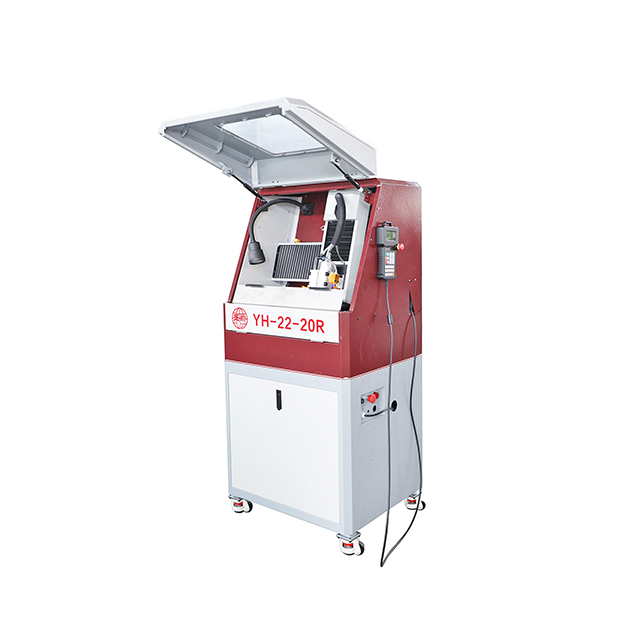
When budgeting for a 3D engraving machine, understanding the typical price ranges helps you find the right fit. Prices vary widely based on power, features, and intended use. Here’s a breakdown of common price categories:
Entry-level 3D engraving machines usually cost between $200 and $1,000. These machines often use diode lasers with lower wattage (around 5W to 10W), suitable for hobbyists or small craft projects. They work well on thin materials like wood, leather, paper, and some plastics but have limited power for metals or deep engraving.
Examples include compact desktop models with smaller engraving areas (around 100 × 100 mm). They may lack advanced features like automatic focusing or enclosures but remain accessible for beginners.
Mid-range 3D engraving machines generally fall between $1,000 and $5,000. These typically feature more powerful diode lasers (20W to 40W) or CO2 lasers, expanding material compatibility and engraving depth. The working area is larger, often around 300 × 300 mm or more.
These machines suit small businesses or serious hobbyists aiming for better precision, faster speeds, and enhanced durability. Additional features like software packages, rotary attachments, and safety enclosures often come standard or as affordable add-ons.
High-end 3D engraving machines can cost $5,000 to $20,000 or more. These use advanced fiber lasers or high-power CO2 lasers with wattage ranging from 30W up to 60W or beyond. They handle metals like brass, aluminum, gold, and silver, plus large or irregularly shaped objects.
High-end machines boast features such as:
Automatic focusing systems
Fully enclosed designs for safety and fume extraction
Large engraving areas (up to 600 × 300 mm or more)
Rotary attachments for cylindrical objects
Customizable software and hardware options
They suit industrial applications, jewelry making, and businesses requiring high precision and speed. Brand like Anhui Yuhan Numerical Control Technology Co., Ltd. offers fiber laser 3D engraving machines in this category, often backed by warranties and technical support.
3D engraving machines offer advanced capabilities beyond traditional 2D engraving. While 2D machines primarily cut or etch flat surfaces, 3D engravers can create depth, contours, and textures on irregular or curved objects. This allows for more detailed and realistic designs, such as embossed logos, jewelry patterns, or intricate industrial parts.
Applications differ accordingly:
3D Engraving: Ideal for jewelry, awards, firearms, metal parts, and artistic projects requiring depth or multi-dimensional effects.
2D Engraving: Suited for flat items like plaques, signage, nameplates, and simple text or logos.
3D machines often come with specialized laser heads or software to handle complex shapes, while 2D machines focus on precision on flat planes.
Generally, 3D engraving machines cost more than 2D models due to their enhanced functionality and complexity. The price gap reflects:
Advanced laser heads capable of depth control and embossing.
Sophisticated software for 3D modeling and path planning.
Enhanced mechanical components to handle variable surface heights.
For example, a basic 2D diode laser engraver might cost a few hundred dollars, while a 3D fiber laser engraver for metal could range from $7,000 to over $18,000.
However, some mid-range 3D diode laser machines aim to bridge this gap, offering limited 3D effects at a moderate price.
3D engraving machines provide several benefits:
Versatility: Can engrave on flat, curved, or irregular surfaces.
Depth Control: Ability to create varying depths for tactile and visual effects.
Material Range: Especially fiber laser 3D machines can work on metals like gold, silver, brass, and aluminum.
Enhanced Design Options: Enables embossing, engraving, and cutting in one machine.
Higher Precision: Suitable for detailed jewelry work or industrial marking.
These advantages make 3D engraving machines valuable for businesses seeking to expand product offerings or improve quality.
Tip: When deciding between 2D and 3D engraving machines, assess your project complexity and material needs to justify the higher investment in 3D technology.
When you're ready to buy a 3D engraving machine, several purchasing options are available. Each has pros and cons depending on your budget, needs, and preference for new or used equipment.
Online marketplaces and specialized retailers offer a wide range of 3D engraving machines. Websites like Amazon, Alibaba, and dedicated laser equipment stores provide:
Variety: From budget to high-end models, many brands and types appear in one place.
Convenience: Easy browsing, comparison, and ordering from anywhere.
Customer Reviews: Feedback helps gauge product quality and seller reliability.
Shipping Options: Many offer global delivery, sometimes with tracking and insurance.
However, buying online requires careful research to avoid counterfeit or low-quality products. Check seller ratings and warranty terms before purchasing.
Buying directly from manufacturers often ensures:
Better Pricing: Fewer middlemen mean potentially lower prices or better package deals.
Customization: You can request specific features or branding.
Technical Support: Manufacturers usually provide training, manuals, and after-sales service.
Warranty and Repairs: Direct access to warranty claims and official parts.
Companies like Anhui Yuhan Numerical Control Technology Co., Ltd., and other reputable brands sell 3D engraving machines directly. Many offer videos, manuals, and remote support to help buyers get started. Payment methods often include bank transfers, letters of credit, or online payment platforms.
Purchasing used 3D engraving machines can save money but comes with risks:
Lower Price: Machines cost significantly less than new ones.
Availability: Older or discontinued models may be found.
Condition Variability: Machines might need repairs or lack warranty.
Limited Support: Manufacturers may not provide service for used equipment.
Platforms like eBay, industrial auctions, or local classifieds list used machines. Always inspect or request detailed photos and test runs before buying. Consider the cost of potential repairs and parts replacement.
Before making any purchase, clarify what you want to achieve with a 3D engraving machine. Ask yourself:
What materials will I engrave most often? Metals, wood, plastics?
What size and shape of objects will I work on?
Do I need deep engraving or fine surface detail?
Will this be for hobby use, small business, or industrial production?
Knowing your project scope helps narrow down the machine types and features that best fit your needs. For example, if you mainly work with jewelry metals, a fiber laser with a small engraving area might be ideal. For larger wooden signs, a CO2 laser with a bigger workspace is better.
Once you know your needs, review key specs carefully:
Laser Type and Power: Fiber lasers suit metals, CO2 lasers excel on organic materials, diode lasers work for light tasks. Higher wattage means faster and deeper engraving but costs more.
Engraving Area: Make sure the machine can accommodate your largest projects. Desktop models usually have smaller workspaces.
Precision and Speed: Check resolution and engraving speed ratings. Higher precision benefits detailed work.
Software Compatibility: Look for user-friendly software that supports your design formats and offers features like 3D modeling or automatic focusing.
Safety Features: Enclosures, fume extraction, and eye protection are important for safe operation.
Comparing these specs across models helps you find a machine that balances performance and budget.
Buying a 3D engraving machine is an investment. Good after-sales support can save time and money:
Warranty: Check coverage length and what parts or issues are included.
Technical Support: Look for accessible customer service via phone, email, or chat.
Training and Documentation: Manuals, videos, or online tutorials help you get started quickly.
Spare Parts Availability: Ensure parts are easy to source and affordable.
Software Updates: Regular updates keep your machine running smoothly and add features.
Reputable brands often provide better support, which is vital if you rely on the machine for your business.
When investing in a 3D engraving machine, understanding the ongoing costs helps you plan your budget beyond the initial purchase price. Maintenance and operating expenses can vary depending on the machine type, usage intensity, and environment.
Regular upkeep ensures your machine runs smoothly and lasts longer. Common routine tasks include:
Cleaning: Remove dust, debris, and residue from the machine’s surfaces, lenses, and laser heads to maintain precision.
Lubrication: Apply lubricant to moving parts like rails and bearings to reduce wear and noise.
Calibration: Periodically check and adjust the laser alignment and focus to ensure engraving accuracy.
Software Updates: Keep the machine’s software and firmware up to date for improved performance and security.
Many manufacturers provide maintenance guides and schedules. Following these can prevent costly breakdowns and keep the machine in peak condition.
Over time, some parts will wear out and require replacement. Key components to monitor include:
Laser Source: Fiber lasers often have a longer lifespan (up to 100,000 hours), but diode and CO2 lasers may need replacement sooner.
Lenses and Mirrors: These optical parts can degrade due to heat and dust, affecting engraving quality.
Belts and Motors: Mechanical parts may experience wear, especially under heavy use.
Filters and Exhaust Fans: These help control fumes and dust; replacing filters regularly maintains a safe working environment.
Replacement parts vary in cost depending on the machine model and brand. It’s wise to source genuine parts to avoid compatibility issues or performance loss.
3D engraving machines consume electricity, and energy costs depend on laser power and operating hours. For example:
Low-power diode lasers (5W to 20W) use less energy and suit hobbyists or small businesses.
High-power fiber or CO2 lasers (30W to 60W or more) consume more electricity but offer faster and deeper engraving.
To reduce energy costs:
Turn off the machine when idle.
Use energy-efficient models if available.
Optimize engraving settings to minimize run time.
Calculating approximate monthly energy expenses based on your usage helps manage operating costs effectively.
Several factors influence the cost of 3D engraving machines, including laser type, machine size, brand, and additional features. Understanding these elements helps buyers make informed decisions tailored to their needs and budget. Investing in a 3D engraving machine can be a valuable decision for businesses and hobbyists alike. It's important to balance budget with project requirements and explore various options. Consider exploring products from Anhui Yuhan Numerical Control Technology Co., Ltd. for reliable and high-quality 3D engraving solutions.
A: The cost of a 3D engraving machine is influenced by laser type, machine size, brand, and additional features.
A: A 3-Axis Engraving Machine can create depth and texture on curved surfaces, unlike a 2D machine which only engraves flat surfaces.
A: Fiber lasers in 3D engraving machines offer precision and durability, ideal for metal engraving, despite being more expensive.
A: Budget 3D engraving machines typically cost between $200 and $1,000, using diode lasers for light engraving tasks.


