


Views: 0 Author: Site Editor Publish Time: 2025-10-28 Origin: Site


In the realm of modern manufacturing, precision and efficiency are paramount. One of the key technologies that have revolutionized the industry is the CNC wire cut machine. This sophisticated equipment is pivotal in producing intricate components with high precision. But what exactly is a CNC wire cut machine, and how does it function? In this article, we will delve into the intricacies of CNC wire cut machines, exploring their working principles, applications, and the advantages they offer over traditional machining methods. For those interested in stone cutting applications, the Stone Cutting Machine is another fascinating area of exploration.
CNC wire cut machines, also known as wire EDM (Electrical Discharge Machining) machines, utilize a thin, electrically charged wire to cut through metal. The process involves the erosion of material from the workpiece using electrical discharges or sparks. This method allows for the creation of complex shapes and fine details that are difficult to achieve with conventional cutting tools. The wire, typically made of brass or copper, moves along a predetermined path, guided by computer numerical control (CNC) systems.
The core principle behind CNC wire cut machines is the use of electrical discharges to erode material. The process begins with the wire being fed through the workpiece, which is submerged in a dielectric fluid. This fluid serves multiple purposes: it cools the workpiece, flushes away debris, and acts as an insulator until the voltage is high enough to create a spark. When the electrical discharge occurs, it generates intense heat, melting and vaporizing the material at the point of contact. The CNC system precisely controls the movement of the wire, ensuring accuracy and repeatability in the cutting process.
A CNC wire cut machine comprises several key components, each playing a crucial role in its operation. The primary components include the wire drive system, the worktable, the power supply, and the CNC controller. The wire drive system ensures the continuous movement of the wire, maintaining tension and alignment. The worktable holds the workpiece securely, allowing for precise positioning. The power supply generates the electrical discharges necessary for cutting, while the CNC controller manages the entire process, executing the programmed instructions with precision.
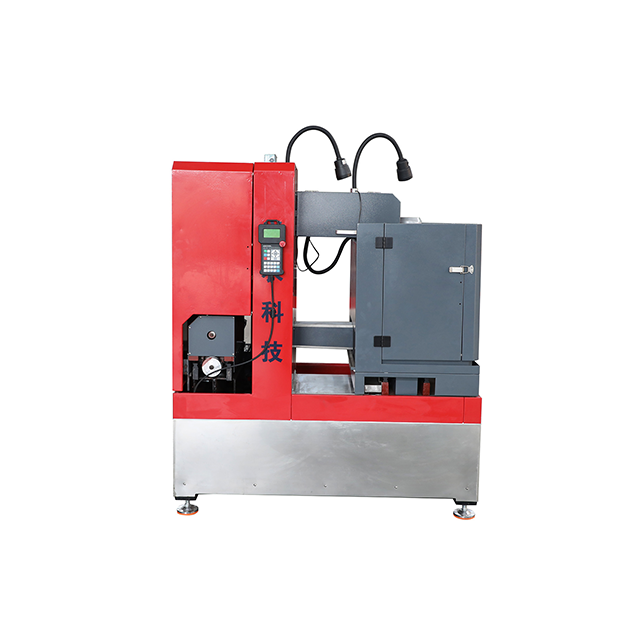
CNC wire cut machines are widely used across various industries due to their ability to produce intricate and precise components. In the aerospace industry, they are employed to manufacture turbine blades, engine components, and other critical parts that require high precision. The medical industry utilizes these machines to create surgical instruments and implants with complex geometries. Additionally, the automotive industry benefits from CNC wire cut machines for producing molds, dies, and prototypes. The versatility of these machines makes them indispensable in any field that demands precision engineering.
Compared to traditional machining methods, CNC wire cut machines offer several distinct advantages. Firstly, they can achieve higher precision and tighter tolerances, making them ideal for applications where accuracy is critical. Secondly, they can cut hard materials that are difficult to machine using conventional tools. Thirdly, the non-contact nature of the process minimizes mechanical stress on the workpiece, reducing the risk of deformation. Lastly, CNC wire cut machines can produce complex shapes and fine details that are challenging to achieve with traditional methods.
Despite their advantages, CNC wire cut machines also present certain challenges and considerations. One of the primary challenges is the slow cutting speed, which can limit productivity for large-scale production. Additionally, the process generates a significant amount of heat, which can affect the material properties of the workpiece. Proper management of the dielectric fluid is crucial to ensure efficient cooling and debris removal. Furthermore, the initial setup and programming of the CNC system require skilled operators to achieve optimal results.
Maintaining a CNC wire cut machine involves regular inspection and replacement of components such as the wire, guides, and filters. The cost of consumables, including the wire and dielectric fluid, can add up over time. Additionally, the power consumption of these machines is relatively high, contributing to operational costs. However, the precision and quality of the components produced often justify the investment in CNC wire cut technology.
CNC wire cut machines represent a significant advancement in manufacturing technology, offering unparalleled precision and versatility. Their ability to produce complex shapes and intricate details makes them invaluable in industries ranging from aerospace to medical. While they present certain challenges, the benefits they offer far outweigh the drawbacks. As technology continues to evolve, CNC wire cut machines will undoubtedly play a crucial role in shaping the future of manufacturing.
1. What materials can CNC wire cut machines process?
CNC wire cut machines can process a wide range of materials, including metals like steel, aluminum, and titanium, as well as conductive ceramics and some composites.
2. How does the dielectric fluid function in a CNC wire cut machine?
The dielectric fluid cools the workpiece, flushes away debris, and acts as an insulator until the voltage is high enough to create a spark, facilitating the cutting process.
3. What industries benefit most from CNC wire cut machines?
Industries such as aerospace, medical, and automotive benefit greatly from CNC wire cut machines due to their precision and ability to produce complex components.
4. Are there any limitations to using CNC wire cut machines?
Limitations include slower cutting speeds and the need for skilled operators to manage the setup and programming of the CNC system.
5. How does CNC wire cut technology compare to traditional machining?
CNC wire cut technology offers higher precision, the ability to cut hard materials, and the capability to produce complex shapes compared to traditional machining methods.
6. What are the maintenance requirements for CNC wire cut machines?
Maintenance involves regular inspection and replacement of components like the wire, guides, and filters, as well as managing the dielectric fluid and power consumption.
7. Can CNC wire cut machines be used for stone cutting?
While primarily used for metal, CNC wire cut machines can be adapted for stone cutting applications with the appropriate setup and adjustments.


