


Views: 0 Author: Site Editor Publish Time: 2025-11-29 Origin: Site


Relief carving is an art form that has been practiced for centuries, where artists carve images or designs into a surface, creating a three-dimensional effect. The process involves removing material from a surface to produce raised designs, with the final product having a striking visual depth. Over time, as technology advanced, the tools used for carving have also evolved, with relief carving machines becoming an integral part of modern artistic and industrial applications.
At Anhui Yuhan Numerical Control Technology Co., Ltd., we specialize in providing cutting-edge relief carving machines that cater to both traditional artistry and industrial requirements. In this article, we will explore the different types of relief carving machines available today and discuss their applications in artistic fields.
Relief carving is a technique where an image or design is sculpted onto a flat surface, leaving parts of the surface raised to create the illusion of depth. There are two main types of relief carving:
Low Relief (Bas-relief): The carved image projects slightly from the background. The depth is shallow, creating a subtle three-dimensional effect.
High Relief (Haute-relief): The design stands out significantly from the background, with areas of the carving extending much deeper into the material.
Relief carving can be applied to various materials, including wood, stone, metal, and plastic. The carving process is often intricate, requiring precision and a high level of craftsmanship, especially when done by hand. However, modern technology has introduced relief carving machines, which automate and enhance the carving process, making it more accessible to both artists and industries.
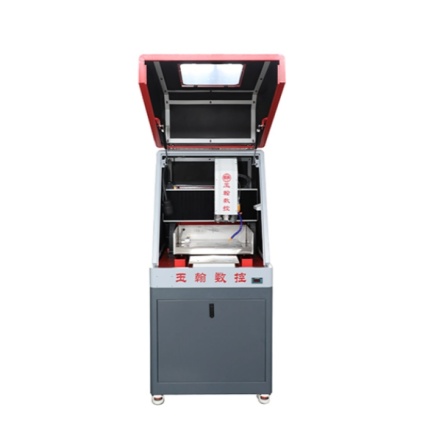
Relief carving machines have revolutionized the way artists, manufacturers, and designers approach intricate carvings and detailed designs. These machines offer precise, efficient, and versatile solutions for creating high-quality relief sculptures, textures, and patterns on a variety of materials. Depending on your specific needs—whether you're an artist looking to create fine sculptures or a manufacturer needing to produce complex designs in bulk—choosing the right type of relief carving machine is essential. In this article, we will explore the different types of relief carving machines available today and their specific applications.
CNC relief carving machines are some of the most widely used tools in both artistic and industrial applications. These machines operate based on a computer program, allowing for high precision and repeatability. CNC machines are capable of producing intricate designs, high and low relief images, and even creating 3D sculptures from a variety of materials, including wood, foam, plastics, and soft metals.
Key Features:
Precision: CNC machines are known for their high accuracy. The computer-controlled system allows these machines to carve intricate details with precision, achieving the depth and fine features that would be difficult to replicate by hand.
Automation: Once the design is programmed into the machine, the entire carving process is automated, eliminating the need for continuous human intervention. This feature is ideal for large-scale production or projects that require consistent results.
Materials Versatility: CNC relief carving machines can work with a wide range of materials, including wood, plastic, foam, and soft metals. This versatility makes them suitable for various applications, from fine art to industrial components.
Applications:
Artistic Sculptures: CNC carving machines are used by artists to create detailed relief sculptures in materials like wood, stone, and synthetic materials. These machines offer a high level of creativity and accuracy, making them ideal for producing contemporary art installations or decorative pieces.
Furniture Design: Furniture makers use CNC machines to produce intricate patterns and relief designs on wooden surfaces, enhancing the aesthetic appeal of furniture. The precision of CNC machines allows for uniformity across multiple pieces, making them ideal for mass-producing ornamental designs.
Signage and Memorials: CNC machines are frequently used to carve logos, text, and decorative elements on memorial plaques, signs, and awards. The ability to carve detailed and uniform designs makes CNC machines ideal for producing high-quality custom signage and commemorative items.
Laser relief carving machines use a focused laser beam to carve designs into the surface of a material. These machines are known for their high precision, ability to achieve fine detail, and the non-contact nature of the carving process. Unlike mechanical carving methods, laser carving doesn’t physically touch the material, making it a preferred choice for delicate materials.
Key Features:
High Detail: Laser relief machines can achieve extremely fine and detailed carvings. The laser can etch, cut, or burn designs into the material, resulting in intricate textures and patterns that are highly detailed. This makes it ideal for small-scale, high-precision projects.
Non-contact Process: The laser beam does not physically touch the material, meaning there’s no risk of mechanical stress or distortion. This is particularly important when working with delicate or thin materials like glass, acrylic, or thin metals.
Minimal Post-Processing: The precision of laser carving results in minimal need for post-processing. Unlike other carving methods, laser machines often produce a clean finish that requires little additional finishing work, saving time and improving overall efficiency.
Applications:
Artistic Designs: Laser carving is often used for small-scale, high-detail designs, such as creating ornate wood carvings, jewelry, or detailed artworks in glass or acrylic. The ability to produce highly intricate patterns with minimal waste makes it a favorite for artists and designers looking for precision.
Engraving: Laser machines are also commonly used for engraving images and text onto materials like commemorative plaques, gifts, awards, and personalized items. Their ability to engrave fine details with speed and precision makes them ideal for creating custom pieces for customers.
Industrial Applications: In industries like electronics and automotive, laser relief carving machines are used to create precise, intricate parts and components. These machines can engrave patterns or features onto circuit boards, metal surfaces, and other components, ensuring they meet exact specifications.
Rotary relief carving machines are typically used for larger-scale projects where both high and low relief designs are required. These machines use rotating tools, such as bits or cutters, to carve the material. They are often equipped with adjustable speed settings that allow users to modify the cutting depth and speed to suit their needs.
Key Features:
Manual or Automated Operation: Some rotary relief machines operate manually, while others are fully automated with programmable settings, giving the operator flexibility in how the work is done.
Variety of Tools: Rotary machines offer a wide range of cutting bits and tools, allowing users to create different textures, details, and effects in the carving.
Versatility: These machines can be used with a wide variety of materials, including wood, foam, plastic, and even light metals.
Applications:
Woodworking: Rotary carving machines are frequently used by woodworkers to create detailed low and high relief designs on furniture, decorative panels, and artistic sculptures.
Modeling: These machines are also used to create prototypes and models in industries such as automotive and product design.
Stone and Marble Carving: Larger rotary machines can be used to carve stone and marble, producing architectural designs, statues, and ornamental carvings.
While machine-based carving has gained popularity, handheld relief carving tools remain an essential option for artisans seeking a personal touch or working on smaller-scale projects. These tools are manually operated but often come with motorized options for added power.
Key Features:
Portability: Handheld carving tools are more compact and portable than full-scale machines, making them suitable for smaller workshops or on-site work.
Flexibility: These tools allow for highly detailed carving in smaller areas and provide the flexibility to adjust carving depth manually.
Applications:
Fine Art: Artists who prefer a hands-on approach to relief carving often use handheld tools for intricate, customized artwork.
Small-Scale Woodworking: For carving small, detailed designs in wood, handheld tools offer a level of control and precision that larger machines might not provide.
Choosing the right relief carving machine for your artistic or industrial needs depends on several factors:
Material Compatibility: Different machines are suitable for different materials, from wood and foam to stone and metal. Consider the material you plan to work with to choose the appropriate machine.
Size and Scale: For large-scale projects, CNC or rotary carving machines may be necessary, while smaller, more intricate work may be best suited for laser or handheld tools.
Precision and Detail: If your work requires high precision and detail, a CNC or laser carving machine will offer the best results.
Budget: Relief carving machines can vary significantly in cost, from affordable handheld models to advanced CNC systems. Consider your budget and production needs before making a decision.
Relief carving machines have transformed the way artists and manufacturers approach the creation of intricate designs and sculptures. Whether you're producing large-scale carvings or delicate, detailed designs, the right machine can help you achieve the precision and consistency needed for high-quality results. At Anhui Yuhan Numerical Control Technology Co., Ltd., we offer a range of relief carving machines tailored to meet the specific needs of different industries. Whether you’re an artist looking to elevate your creations or a business seeking efficient production, we have the tools and expertise to help you succeed.
Feel free to contact us today to learn more about our range of relief carving machines and how they can enhance your artistic and industrial applications.


